In a dramatic and deeply alarming escalation of the ongoing Middle East conflict, the Israeli military has issued unprecedented orders for the mass forced displacement of the entire civilian population of southern Lebanon. The directive, which effectively depopulates a vast swath of Lebanese territory, signals the potential collapse of the fragile April ceasefire and the beginning of a far more destructive phase of the war against Hezbollah.
This comprehensive analysis breaks down the details of the evacuation order, the scale of the unfolding humanitarian catastrophe, the geopolitical chess match between the US, Iran, and Israel, and what this means for millions of terrified civilians caught in the crossfire.
1. A Combat Zone” South of the Zahrani River
The escalation began on the morning of May 28, 2026, when the Israel Defense Forces (IDF) Arabic-language spokesman, Avichay Adraee, issued a sweeping statement on social media. In a clear and menacing directive, he ordered all residents of southern Lebanon to immediately evacuate their homes and move north of the Zahrani River.
The IDF has officially declared every inch of land south of the Zahrani River as an active “combat zone”. This declaration transforms approximately 2,000 square kilometers (over 770 square miles) of Lebanese territory—home to hundreds of thousands of people—into a free-fire military theater.
Key Details of the Evacuation Order:
- The New Red Line: The Zahrani River, located roughly 40 kilometers (25 miles) north of the Israeli border.
- Scope: Covers about 14% of Lebanon’s total territory and approximately 307 towns and villages.
- Reasoning: The IDF cited “repeated violations of the ceasefire agreement by the terrorist organization Hezbollah” as justification for the impending “great force”.
- Nature of the Order: While the IDF describes it as a “warning,” Lebanese officials, aid agencies, and international observers have labeled it a forced displacement order. This is the largest such directive since the April 17th ceasefire, targeting civilian populations to clear the battlefield for a major offensive.
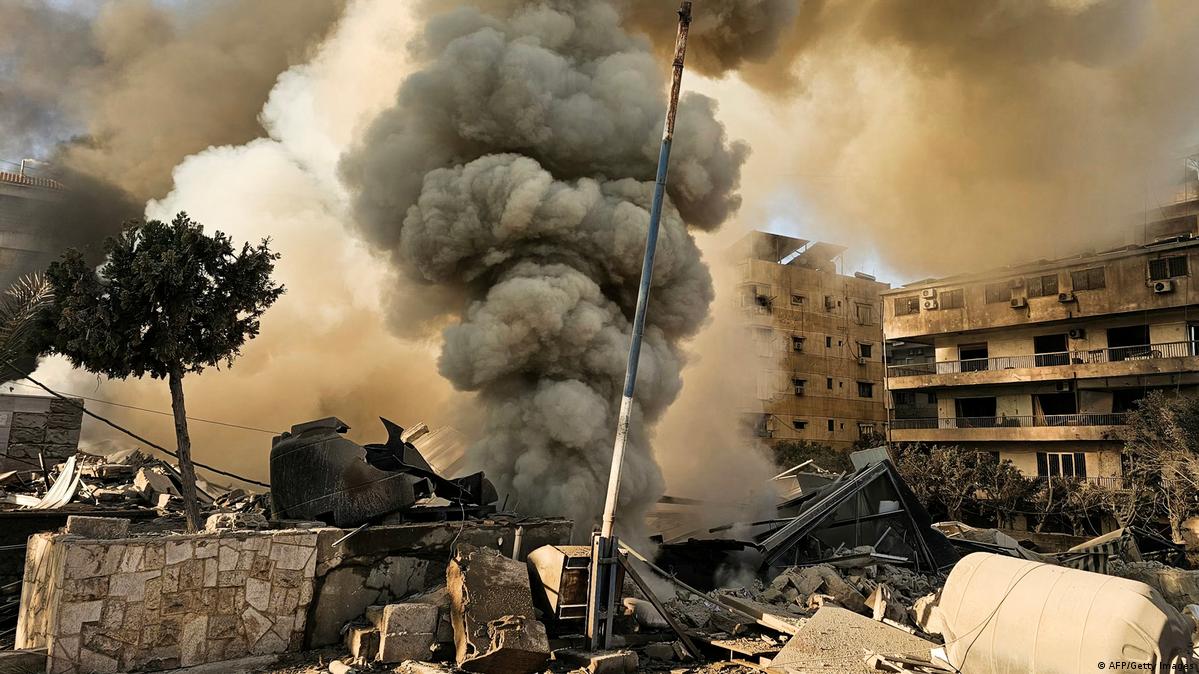
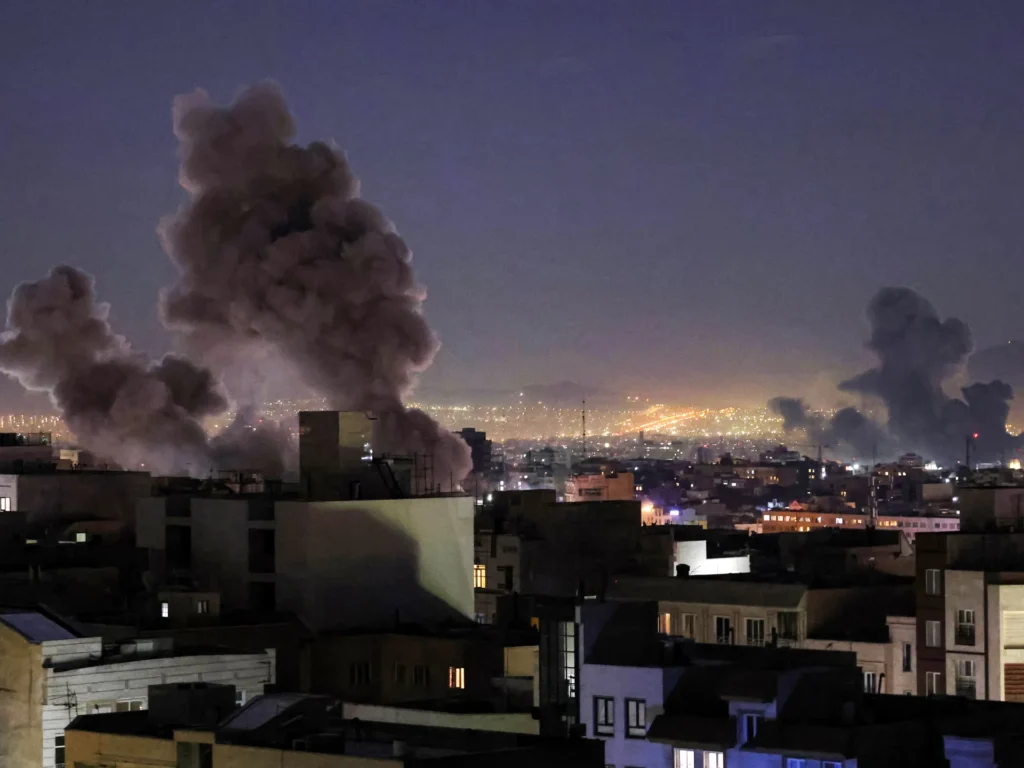
This order follows days of intense preparatory airstrikes. In the 24 hours prior, Israeli warplanes had already struck more than 150 Hezbollah targets across southern Lebanon and the eastern Bekaa Valley, killing dozens of civilians, including at least 11 people in the eastern town of Mashghara alone.
2. The Human Toll: A Catastrophe Unfolding
The immediate aftermath of the mass evacuation order has been one of sheer panic and chaos. Roads leading north from cities like Tyre, Nabatieh, and Sidon have become jammed with cars, trucks, and even people on foot, desperately trying to flee before the bombs fall.
Eyewitness Accounts: Fear and Flight
In the ancient coastal city of Tyre, which had already been hit by strikes just hours after a localized evacuation warning, the scene has been described as apocalyptic. Residents watched from balconies in horror as Israeli missiles struck their neighborhoods, filming the destruction on their phones before packing whatever they could carry into their vehicles.
“I went to the port next to the beach and a lot of people are there. People packed up their stuff. Everyone is scared.”
— Rida, a 52-year-old resident of Tyre who lost his home and cafe in previous strikes.
The panic is particularly acute because this is not the first time these people have been displaced. Many have already been uprooted multiple times since the war began in March, and they now face an impossible situation with nowhere safe to go.
The Displacement Crisis by the Numbers
The current mass displacement order is worsening an already critical humanitarian crisis. The numbers paint a devastating picture:
The Shelter Collapse: The primary destination for fleeing civilians has been the port city of Sidon. However, humanitarian officials have confirmed that Sidon’s capacity to absorb displaced families is already exhausted after housing thousands of people previously displaced from other conflict zones in the south and the Bekaa Valley. Overflowing families are now being urged to head towards the capital, Beirut, or further east into the Mount Lebanon range, but those areas are themselves straining under the weight of the crisis.
3. The Humanitarian Catastrophe: Hospitals, Water, and Aid
Aid agencies have reacted with horror to the news of the mass displacement order, warning that the region is hurtling toward an “absolute catastrophe”. The head of the International Committee of the Red Cross (ICRC) delegation in Lebanon, Agnes Dhur, stated that the situation was “nearing a perilous tipping point,” with conditions for civilians becoming untenable.
Healthcare System on its Knees
The Lebanese healthcare system, already fragile after years of economic collapse, is on the verge of total collapse. The intense bombardment has directly targeted medical infrastructure:
- Non-Operational Facilities: Three hospitals and 41 primary healthcare centers remain non-operational due to damage or proximity to combat zones. Several others are only partially functioning.
- Attacks on Rescuers: Rescue workers are being killed in the line of duty. A strike on Srifa in the south killed a rescuer and wounded two others, raising the total number of rescuers killed in the war to 121.
- Threat to Critical Infrastructure: The Qaraoun Dam, Lebanon’s largest dam along the Litani River, has been targeted. The Litani River Authority warned that any direct hit on the dam could lead to catastrophic flooding, putting millions of civilians downstream at risk.
A Failing Aid Response
The United Nations launched a Flash Appeal for $308 million to support Lebanon, but by late May 2026, it was only 51.3% funded. The IFRC’s emergency appeal is faring even worse, at just 12.5% funded, meaning that critical food, water, and medical support will soon be reduced at the moment it is most desperately needed. Over 124,000 people are sheltering in 625 schools and public buildings, but winter is approaching, and these makeshift shelters lack heating, sanitation, and privacy.

4. The Geopolitical Chessboard: Why Now?
The timing of this massive military escalation is not accidental. It comes at a critical juncture in the broader US-Iran war, and it reveals a calculated strategy by Israeli Prime Minister Benjamin Netanyahu.
Crushing Hezbollah vs. Derailing the US-Iran Deal
For weeks, the United States and Iran have been locked in high-stakes negotiations in Doha, reportedly close to finalizing a peace agreement to end their three-month-long war. A core demand from Tehran is that any final agreement must include a complete ceasefire in Lebanon. Iran views Hezbollah not as a separate militia, but as a crucial part of its Axis of Resistance, and will not abandon it.
Israeli Prime Minister Benjamin Netanyahu is signaling that he has no intention of allowing a US-Iran deal to dictate his military strategy on his northern border. Speaking on his Telegram channel, Netanyahu declared: “I have ordered an even greater acceleration of our operations… We will intensify our blows, increase our firepower, and we will crush them”.
Analysts believe the Prime Minister is deliberately escalating the war in Lebanon to present the US with an impossible choice. As Frank Lowenfield, a former US envoy for Middle East peace, told Newsweek, “Netanyahu really wants the Iran war to continue, and he certainly has no intention of ending the war in Lebanon, unless Trump really forces him to”.
The Limits of US Influence and the Red Line on Beirut
While the US is publicly supporting its ally, there are clear red lines being drawn. Reports indicate that President Donald Trump held a phone call with Netanyahu in which Washington rejected any Israeli attack on the capital, Beirut. “We do not want to see destroyed buildings in Beirut,” Trump reportedly told Netanyahu, fearing that such a strike would ignite a broader regional war and collapse the US-Iran talks entirely.
However, the US reportedly gave a “green light” for more limited operations, including strikes on Hezbollah infrastructure and the potential assassination of Hezbollah leaders, as long as they do not involve the capital. This subtle shift reveals the Biden (or Trump) administration’s dilemma: balancing its alliance with Israel against the urgent need to end a costly and unpopular war with Iran.
5. Regional Repercussions: The Domino Effect
The escalation in Lebanon is not happening in a vacuum. It is directly linked to the broader war between the US-Israeli alliance and Iran.
The Opening of the Southern Front
This current crisis was precipitated on March 2, 2026, when Hezbollah, acting in solidarity with its patron Iran, fired a massive barrage of rockets into northern Israel in response to US-Israeli strikes that killed Iran’s Supreme Leader. That response opened a second front for Israel, drawing its military resources away from the direct conflict with Iran and into a grinding guerrilla war in the hills of southern Lebanon.
Iran’s Stalemate
For Iran, the situation is becoming untenable. The Islamic Republic has shown resilience in the face of the war. However, Tehran is watching its most valuable proxy, Hezbollah, get systematically degraded by Israeli air and ground power. Furthermore, the recent collapse of the Assad regime in Syria has disrupted the overland corridor that Tehran once used to funnel advanced weapons to Hezbollah, leaving the group more isolated than ever before. Iran is now under immense pressure to accept a US-brokered deal that may sacrifice its Lebanese ally.
6. The Other Side: Hezbollah’s Defiance and Retaliation
On the ground, Hezbollah has shown no sign of backing down. Despite the devastating Israeli airstrikes, the group’s fighters are engaging Israeli troops who have pushed deep into Lebanese territory.
Clashes at the Litani River
Israeli troops have crossed the strategic Litani River, which runs about 30 kilometers from the border, and are advancing towards the city of Nabatieh. In response, Hezbollah announced that its fighters confronted Israeli forces in the town of Zawtar al-Sharqiyah, just north of the river, engaging them in fierce close-quarters combat. Hezbollah has claimed to have repelled Israeli advances using a combination of anti-tank missiles, rocket artillery, and a new tactic: explosive drones.
The Drone War
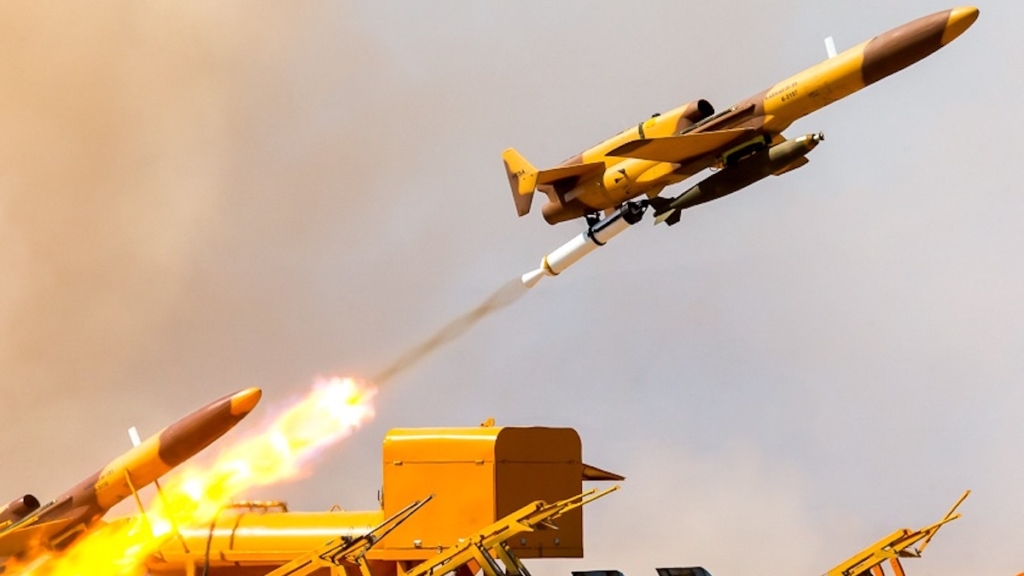
The IDF has confirmed that it intercepted or was struck by dozens of explosive drones launched by Hezbollah. These drones, including fiber-optic models that are resistant to electronic jamming, have killed at least 11 Israeli soldiers since the April ceasefire. This technological shift is forcing Israel to adapt its tactics, but it is not deterring the ground invasion.
Hezbollah’s leader has vowed to fight “until the war ends in Lebanon and Israel withdraws its troops,” dismissing the US-mediated peace talks between Lebanon and Israel as illegitimate.
7. The View from the Ground: A Widening War
As diplomatic efforts continue—including a scheduled meeting between Lebanese and Israeli military delegations at the Pentagon on May 29th and a political track on June 2nd—the violence on the ground tells a different story.
The IDF is not merely conducting pinprick raids. Reports confirm that Israeli forces have begun operating beyond the so-called “Yellow Line” (the 10-kilometer deep buffer zone previously established). They are now seizing strategic terrain further north, with the apparent long-term goal of creating a depopulated “security zone” that extends all the way to the Litani, and perhaps the Zahrani, River.
Lebanon’s Prime Minister has declared Hezbollah’s military wing unlawful, a historic shift, but the state is too weak to enforce this declaration. The Lebanese Army, which has remained on the sidelines, has already lost soldiers in the crossfire, further complicating the country’s ability to respond.
Conclusion: A Decisive, Brutal Turning Point
Israel’s order for the mass forced displacement of all civilians south of the Zahrani River marks a decisive and brutal turning point in the 2026 Middle East war. It is a calculated military gambit designed to sever Hezbollah from its human support base and clear the way for a crushing conventional assault.
For the 1.2 million displaced Lebanese civilians, this means another agonizing winter in makeshift tents, overcrowded schools, or sleeping on the streets of Beirut. For the surrounding region, it signals that the war is expanding, not contracting, and that a diplomatic solution remains a distant hope.
The world watches as the fragile ceasefire shatters. The only certainty is that in the “combat zones” of southern Lebanon, the worst is yet to come.
Frequently Asked Questions (FAQ)
1. What did Israel order on May 28, 2026?
Israel ordered the mass forced displacement of the entire civilian population living south of the Zahrani River in Lebanon. The IDF declared this entire region an active “combat zone” and warned residents to move north or face the consequences of imminent large-scale military operations.
2. How many people are affected by the evacuation order?
The order covers approximately 307 towns and villages across nearly 2,000 square kilometers (14% of Lebanon). While the pre-war population was around 800,000, the current number of displaced persons in Lebanon has already exceeded 1.2 million due to prior rounds of fighting.
3. Why is Israel doing this now?
The timing is strategic. Israel aims to destroy Hezbollah decisively before a potential US-Iran peace deal could force a ceasefire. Prime Minister Netanyahu is escalating to pressure Hezbollah and to prevent Iran from using the Lebanon front as a bargaining chip in its negotiations with Washington.
4. Is the US supporting this?
The US has reportedly given Israel a green light for limited operations against Hezbollah but has explicitly warned against striking Beirut. The US is in a difficult position, trying to support its ally Israel while simultaneously negotiating its own peace deal with Iran to end the wider war.
5. Where is safe in Lebanon right now?
Humanitarian agencies warn that no place is entirely safe. Shelters in Sidon are full. The government is urging civilians to move toward Beirut or Mount Lebanon, but these areas are also overcrowded, and resources are running out. Many families are sleeping on the streets or in their cars.